
Imagine walking into a classroom where students are busy operating hardware machines, working with truck engines, and designing residential houses; that is just an average day at ACE High School. Based in Reno, ACE focuses on preparing students for careers in advanced trades instead of standardized tests. While policymakers have been debating the cost and effectiveness of public school alternatives, ACE has been quietly demonstrating a model that works for over two decades.
Preparing Students for Careers in the Trades, Not Just Tests
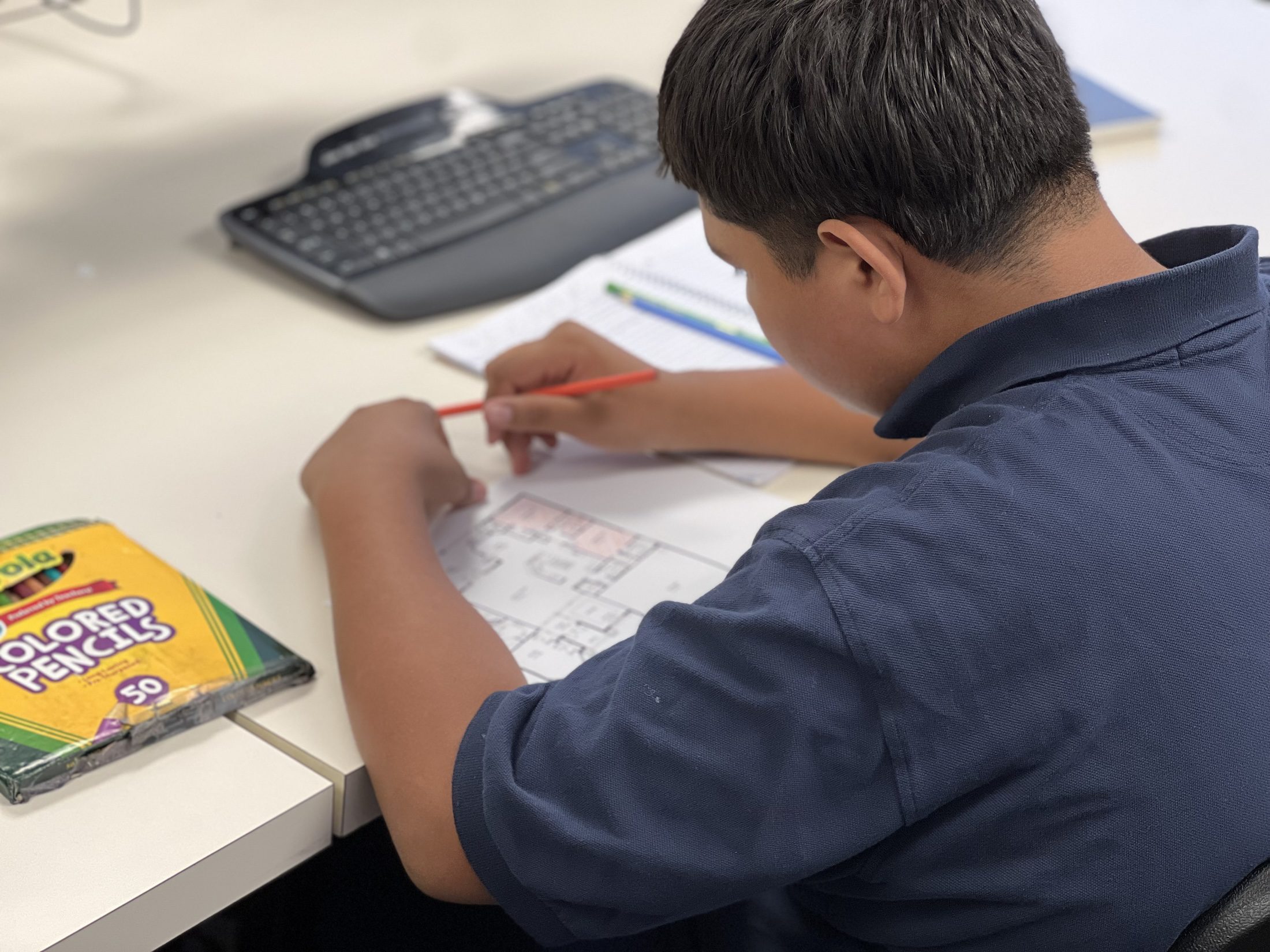
Designed for students who want to enter the workforce immediately upon graduation, ACE allows students to choose and pursue a career pathway in advanced building trades, architecture, diesel technology, advanced machining, or welding. Depending on the pathway of choice, students will graduate with college credits, certificates of achievement, and an OSHA certification. These credentials, bundled with the skills acquired in the classroom make them ready both for work on active construction sights and post-secondary degrees.
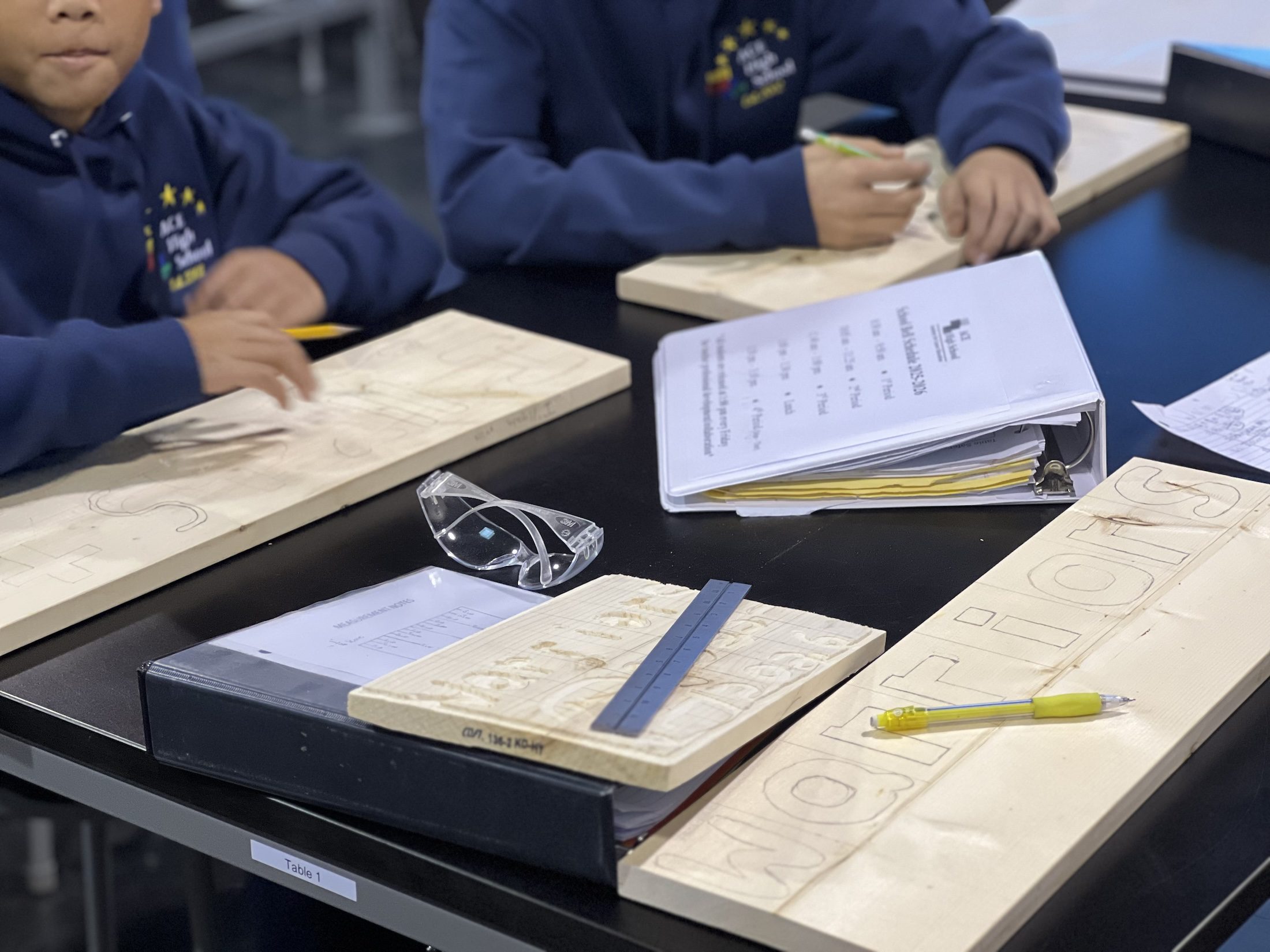
On top of the trade classes that students take, the core curriculum subjects are also designed to complement their future careers. Kellie Jonas, former English teacher and current administrator at ACE, told us how she designed the English classes to include elements such as resume building, reflective quick writes, job outlook studies, market research, and pop mock interviews instead of pop quizzes.
As a result, after four years, the high school graduates leave with a carefully designed professional portfolio that guides them through job search and higher education. Evidently, students see purpose behind every lesson – whether it be making cutting boards for Mother’s Day or crafting a skills-based resume, every assignment is intentional.
Industry-Guided Governance Keeps ACE Ahead of Workforce Trends
The governance of this charter school is just as unique as its instructional process. ACE’s Governance Board is comprised of 15 industry professionals – carpenters, educators, plumbers, attorneys, etc. – who are tasked with ensuring that ACE is in line with most relevant industry trends. This structure allows the students to maintain workforce competitiveness and be confident in the applicability of their skills.
The legacy of ACE’s intentional and hands-on education has already planted it seeds in Reno. In 2002, ACE purchased land from Washoe County School District on which the work had halted since the district’s construction program shut down. ACE’s students treated this as their classroom, taking over the construction site and building 10 single family homes. The houses have since been sold and to fund the operations of the school.
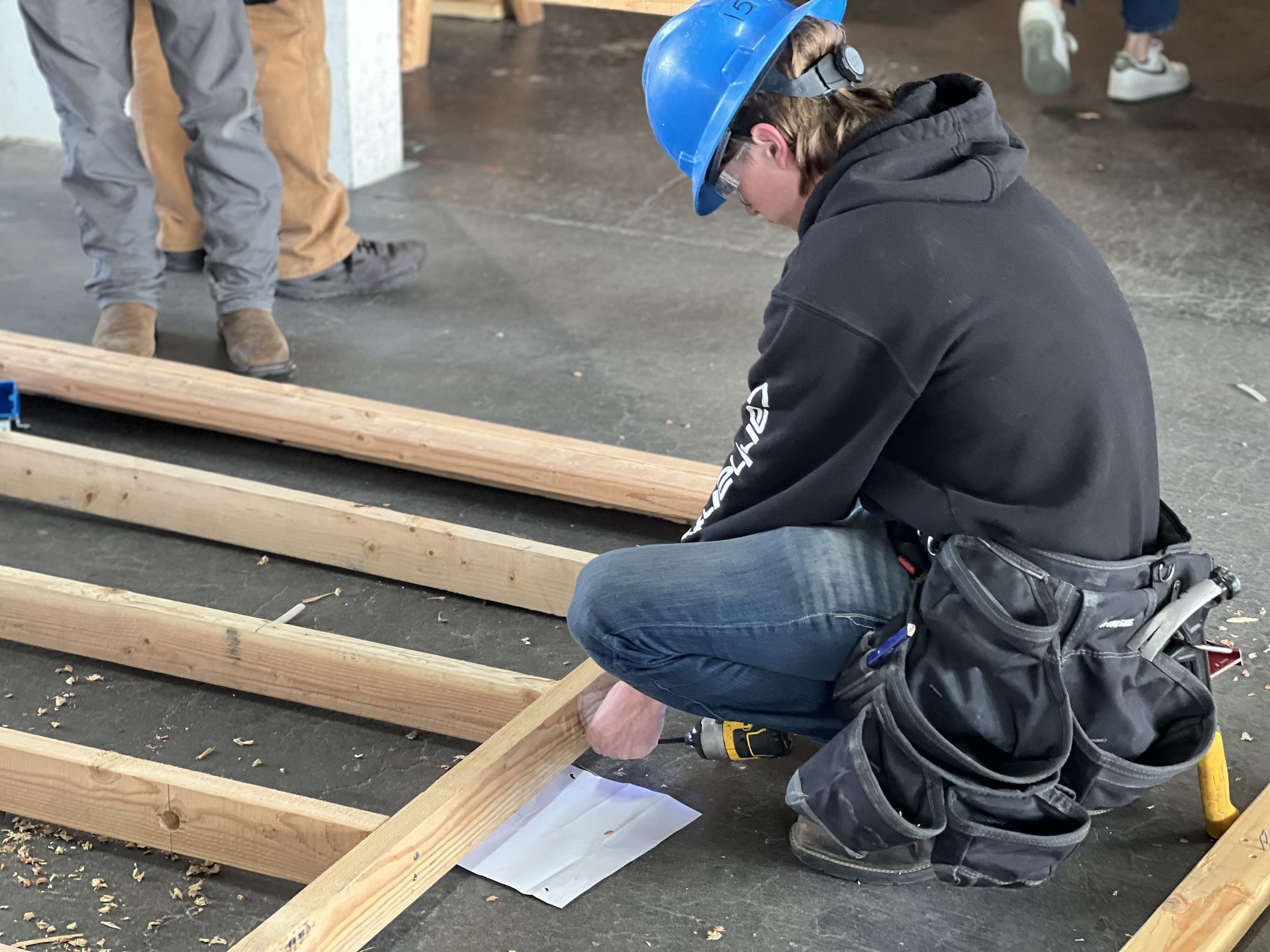
The new construction project that ACE teachers have prepared for their students are their very own classrooms. The students will be spending the next few years designing and building their very own classrooms on their school campus. Programs and projects like these are proof that whether it be OSHA training, electrical safety, plumbing, or welding ACE students are prepared to use their skills right at Silver State’s construction sites. Three years after graduation, on average, 48% of graduates work in the industry, 35% seek post-secondary education, and another 10% do both.
Overcoming Challenges to Keep Education Accessible
Challanges are also part of the daily routine when it comes to operating a public charter school like ACE. However, as Director Bob DeRuse explained, “[they] just find solutions.” To make the students outstanding employees, ACE has partnered with Truckee Meadows Community College (TMCC). The partnership allows them to purchase dual-credit programs and guarantee exposure to high quality classrooms and professionals.
When it comes to transportation to the campuses of ACE and TMCC, DeRuse mentioned that they have contracted a third party to provide high quality and affordable services to their students. These are just a few of the many challenges that DeRuse described, but to keep education accessible and affordable ACE always remains focused on the students.
Why Nevada Needs More Schools Like ACE
Despite demonstrated success of ACE and other similar public charters, Nevada state legislature consistently overlooks various school choice measures. In the 83rd legislative session measures reestablishing Education Savings Accounts or expanding the opportunity scholarship program did not receive hearings. Instead, some of the measures included provisions that could be costly for models like ACE, such as added reporting requirements, mandatory ratios, etc.
The success of ACE is not pure luck, but a careful combination of flexibility and autonomy that would be impossible if burdened or limited by legislative debates in Carson City. DeRuse put it best, “We put kids’ hands and minds at work.” And that’s precisely the kind of education Nevada needs more of.
Stay Connected with Nevada’s Education Innovators
Want to hear more stories like ACE High School’s—where Nevada students are learning real skills and finding real success?
Sign up for Nevada Policy’s newsletter to get updates on education innovation, school choice, and policy ideas shaping the future of opportunity in our state. Stay informed, inspired, and involved.